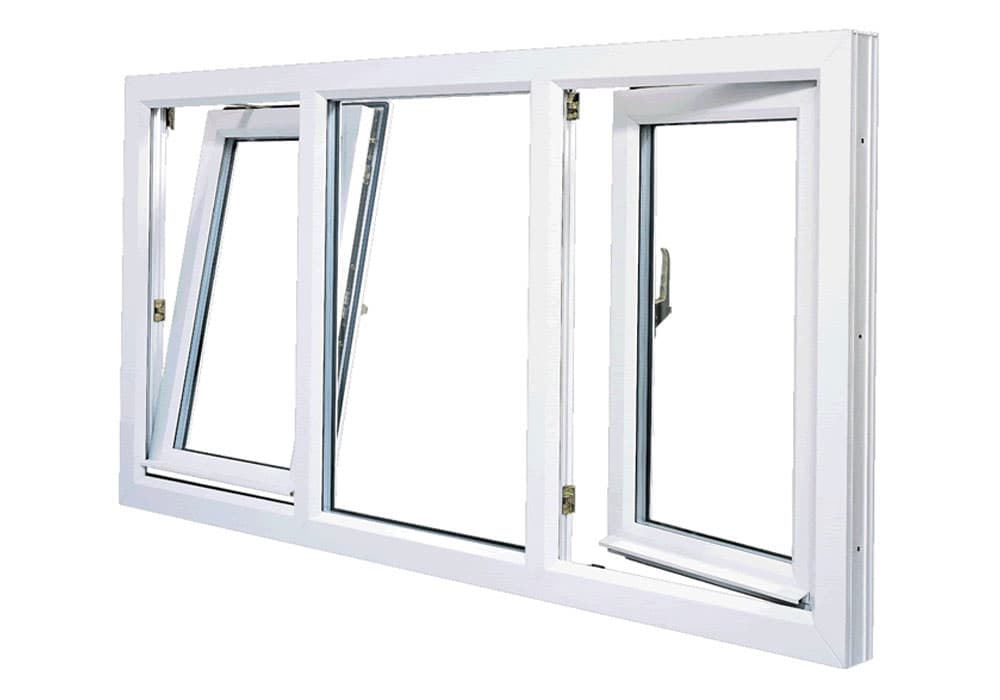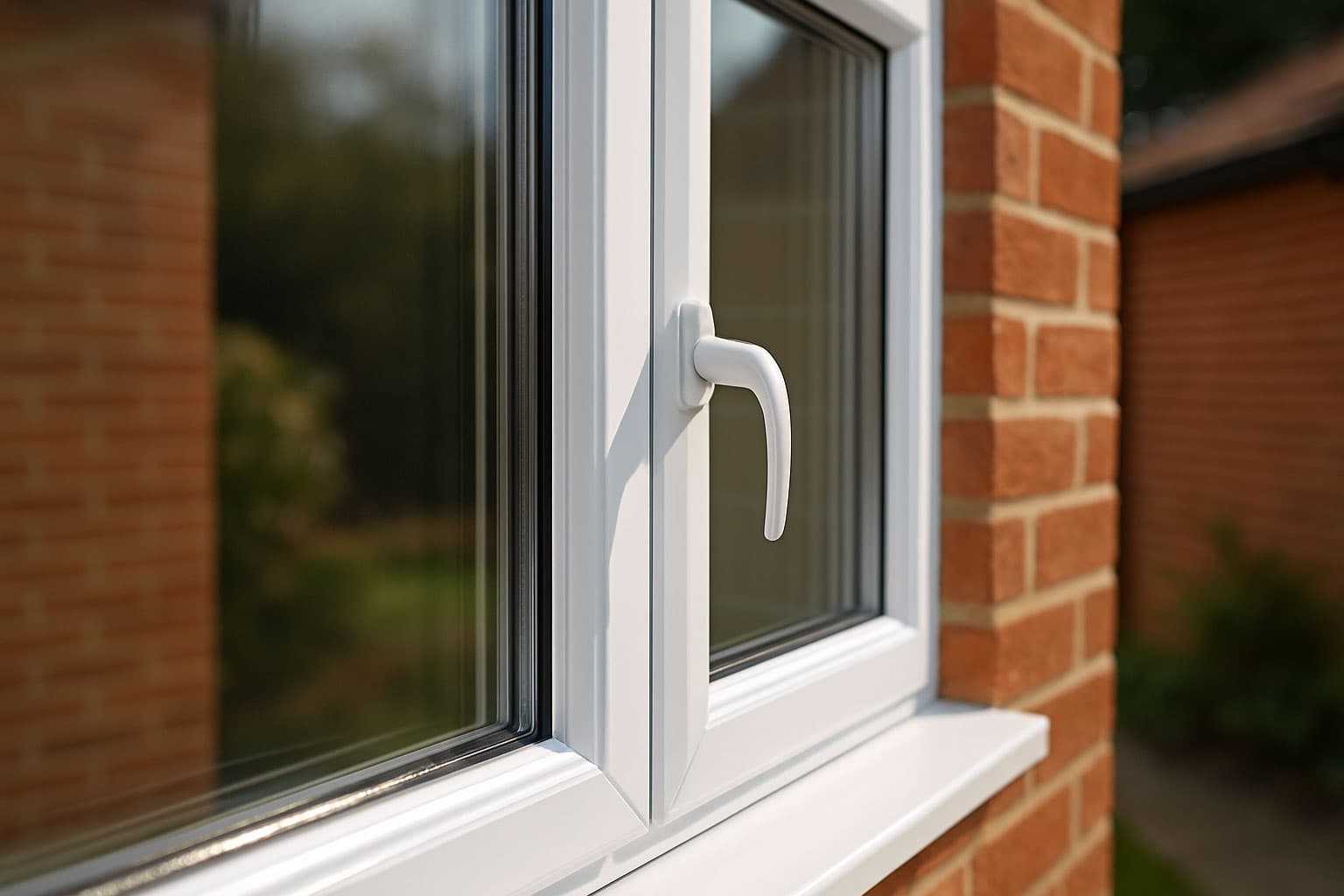
An energy efficient window is one that loses little heat, shown by a high Window Energy Rating on the A++ to E scale and a low U-value. In England, a replacement window must reach at least band B or a U-value of 1.4 W/m²K, a rule in force since 15 June 2022.
Glazing is one of the specifications that moves the window replacement cost. Our price model adds 15% for triple glazing, and the Energy Saving Trust puts a set of A-rated windows for a semi-detached house at about £4,800. The case for a third pane on its own is covered in double vs triple glazing.
Energy efficient windows at a glance
| Measure | What it tells you | What to look for |
|---|---|---|
| Energy rating | A whole-window efficiency score for heat loss, solar gain and air leakage | A++ to E; band B or better for a replacement in England |
| U-value | Heat passing through, in W/m²K; lower is better | 1.4 or lower for a replacement in England |
| Glass and gas | The pane coating and the gas in the gap | Low-E glass and an argon fill |
| Cost | Price of a full set of A-rated windows | About £4,800 for a semi-detached house |
| Bill saving | Single glazing replaced with A-rated double | £85 a year in Great Britain, £110 in Northern Ireland |
Window Energy Ratings: A++ to E
A Window Energy Rating grades a whole window from A++, the most efficient, down to E, on a scale run by the British Fenestration Rating Council (BFRC). The BFRC calculation combines three factors: heat lost through the window, solar heat gained through the glass, and air leaking out around it. The Energy Saving Trust treats the rating as a better guide to a window's saving than the U-value, which counts heat loss only.
Genuine BFRC-rated windows carry a small official sticker inside the frame, sometimes with a large rainbow label. Only registered companies may use the ratings, and the BFRC's Company and Licence Search shows whether an installer is one.
Not every label comes from the BFRC: CERTASS runs its own Window Energy Rating scheme on an A to G scale. CERTASS notes that ratings are calculated for standard sizes and layouts, so a label describes a reference window, not the one in your wall.
U-values and what the rules require
A U-value measures how easily heat passes through a window, in watts per square metre per degree of temperature difference (W/m²K); lower means less heat lost. Approved Document L sets the limit for a replacement window in an existing home in England at 1.4 W/m²K, or a Window Energy Rating of band B or better.
The same document adds three conditions for replacement windows:
- The new window must be no worse than the one it replaces.
- Where a building's character has to be kept, a window is allowed a centre-pane U-value of 1.2 W/m²K instead, or single glazing can be backed by low-E secondary glazing.
- The 2026 edition of Approved Document L, which takes effect on 24 March 2027, keeps the 1.4 W/m²K or band B limit.
| Window or standard | U-value (W/m²K) |
|---|---|
| Single glazing | 5.8 (glass only) |
| Double, air-filled | 1.6 |
| Replacement limit | 1.4, or band B |
| Double, argon-filled | 1.3 |
| New-home benchmark | 1.2 |
| Triple, two low-E panes | 0.9 to 1.1 |
On the Federation's typical figures, the 1.4 limit falls between air-filled and argon-filled double glazing. For windows already fitted, the U-value is printed on the energy label if the window has one.
Low-E glass, gas fills and spacers
Low-E glass, argon gas and warm edge spacers are the three parts that make a glazed unit energy efficient, according to the Energy Saving Trust:
- Low-E glass has a thin metal oxide coating on an inner surface that reflects heat back into the room and still lets daylight through.
- Argon gas in the gap between the panes insulates better than air. The Glass and Glazing Federation also lists krypton and xenon as fills.
- Warm edge spacers hold the panes apart and contain little or no metal. The Trust says more efficient windows generally use them.
The Glass and Glazing Federation warns of two side effects of low-E glass. Coatings vary between batches, so one new unit among older ones can show a different tint. Low-E glass with high solar gain can overheat rooms with large areas of glass, so the Federation recommends adding solar control glass there.
The Energy Saving Trust says high-performing windows are made with uPVC, timber and aluminium frames. The Federation of Master Builders adds that aluminium conducts heat, which manufacturers counter with a thermal break inside the frame.
What you save on energy bills
Replacing single glazing with A-rated double glazing saves £85 a year in Great Britain and £110 a year in Northern Ireland, according to the Energy Saving Trust's figures for an entirely single-glazed semi-detached home. The same change cuts carbon dioxide emissions by 290kg a year in Great Britain and 410kg in Northern Ireland.
The Trust gives no figure for replacing old double glazing with new double glazing. Beyond the bill, it lists fewer draughts, fewer cold spots, less condensation and less outside noise as benefits. MyJobQuote's guide quotes a higher saving of £150 to £200 a year for an average semi, without stating what the figure assumes.
Which rating to ask for
Band B or a U-value of 1.4 W/m²K is the minimum a replacement window in England can have. Check these points on every quote:
- The whole-window U-value. The 1.4 limit applies to the complete window. A centre-pane figure covers the glass alone.
- The rating label. Confirm a BFRC rating on the BFRC's Company and Licence Search, or check which other scheme, such as CERTASS, issued the label.
- The glass specification. The Federation of Master Builders advises that a quote should list the glass type, any gas fill and any low-E coating.
- Two low-E panes in triple glazing. The Glass and Glazing Federation says triple glazing brings no benefit unless two of its panes are low-E.
- The compliance certificate. A FENSA or CERTASS certificate confirms the windows were registered as meeting Building Regulations, including the energy standard.
What better glazing adds to the price
Triple glazing adds 15% to a window's price in our model, the middle of the 10 to 20% premium that published guides give. The Energy Saving Trust puts it at around 20%.
| Frame | Double glazed | Triple glazed | Extra for triple |
|---|---|---|---|
| uPVC | £350–£600 | £400–£690 | £50–£90 |
| Aluminium | £600–£850 | £690–£980 | £90–£130 |
| Timber | £750–£1,500 | £860–£1,720 | £110–£220 |
The Energy Saving Trust puts a set of A-rated windows for a semi-detached house at about £4,800. Our model prices 10 standard uPVC casement windows at £3,500–£6,000 double glazed and £4,000–£6,900 triple glazed. Set against the Trust's £85 a year, a £4,800 job takes more than 50 years to repay through the bill saving alone. Totals for flats, terraces and detached houses are in our guide to the cost to replace windows by house size.
Price your own windows
Use the window replacement cost calculator to price double or triple glazing by style, frame material and size. It gives a supplied and fitted range for up to 30 windows, so you know what the glazing choice adds before installers quote.
FAQs
An energy efficient window loses little heat, shown by a high Window Energy Rating on the BFRC's A++ to E scale and a low U-value. In England, a replacement window must reach at least band B or a U-value of 1.4 W/m²K.
A good window sits at or below 1.4 W/m²K, the highest U-value a replacement window in England may have. On the Glass and Glazing Federation's typical figures, argon-filled double glazing is about 1.3 and triple glazing with two low-E panes about 0.9 to 1.1.
A U-value of 1.4 W/m²K meets the minimum standard for a replacement window in England under Approved Document L. A lower figure loses less heat: the benchmark window for a new home in the same document is 1.2 W/m²K.
An A-rated window sits near the top of the BFRC's A++ to E scale, which combines heat loss, solar gain and air leakage for the whole window. The Energy Saving Trust puts a set of A-rated windows for a semi-detached house at about £4,800.
Replacement windows in England need either a Window Energy Rating of band B or better, or a U-value of 1.4 W/m²K or lower. The rule has applied since 15 June 2022.
The Energy Saving Trust estimates £85 a year in Great Britain and £110 a year in Northern Ireland for replacing single glazing with A-rated double glazing throughout a semi-detached home.
Sources
The figures and rules in this guide come from these pages, last checked on .
- British Fenestration Rating Council, Energy performance ratings
- Energy Saving Trust, Energy efficient windows and doors (updated 19 November 2026)
- GOV.UK, Approved Document L: conservation of fuel and power
- GOV.UK, Approved Document L, volume 1: dwellings (2021 edition, incorporating 2023 amendments)
- GOV.UK, Approved Document L, volume 1: dwellings (2026 edition, takes effect 24 March 2027)
- Glass and Glazing Federation, Triple Glazing Guidance (April 2016)
- Glass and Glazing Federation, Windows: knowledge hub
- Pilkington, Thermal insulation FAQs
- CERTASS, Energy Ratings Scheme
- Federation of Master Builders, How much do new windows cost? (2026)
- MyJobQuote, New window costs (October 2026)
Prices in this guide are estimates based on published UK cost guides, not quotes. An installer confirms the real price at survey.