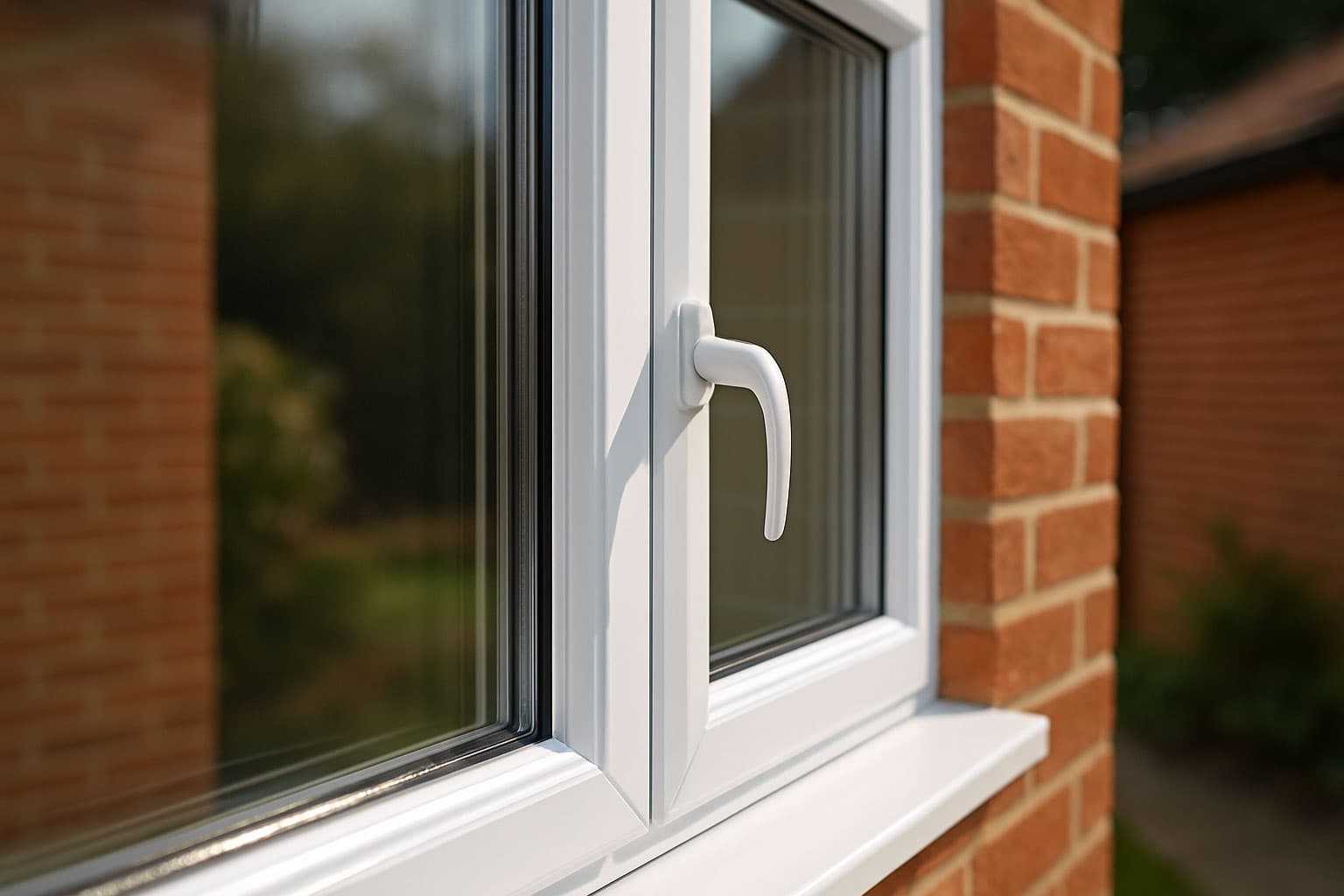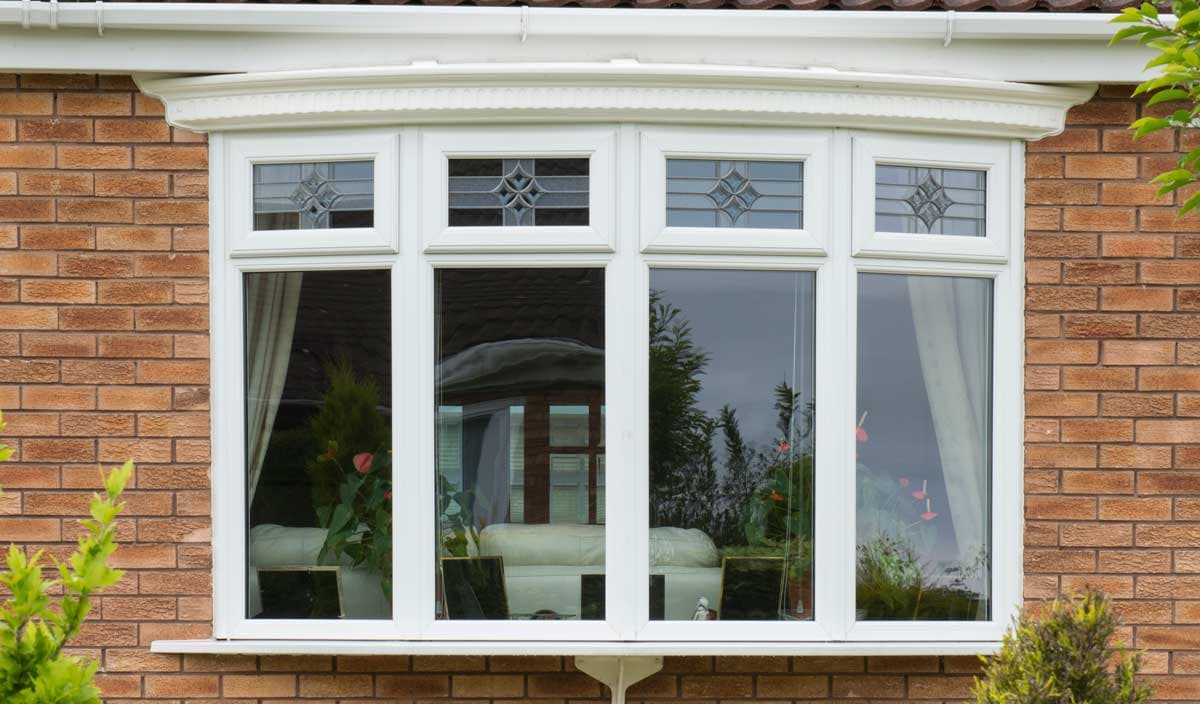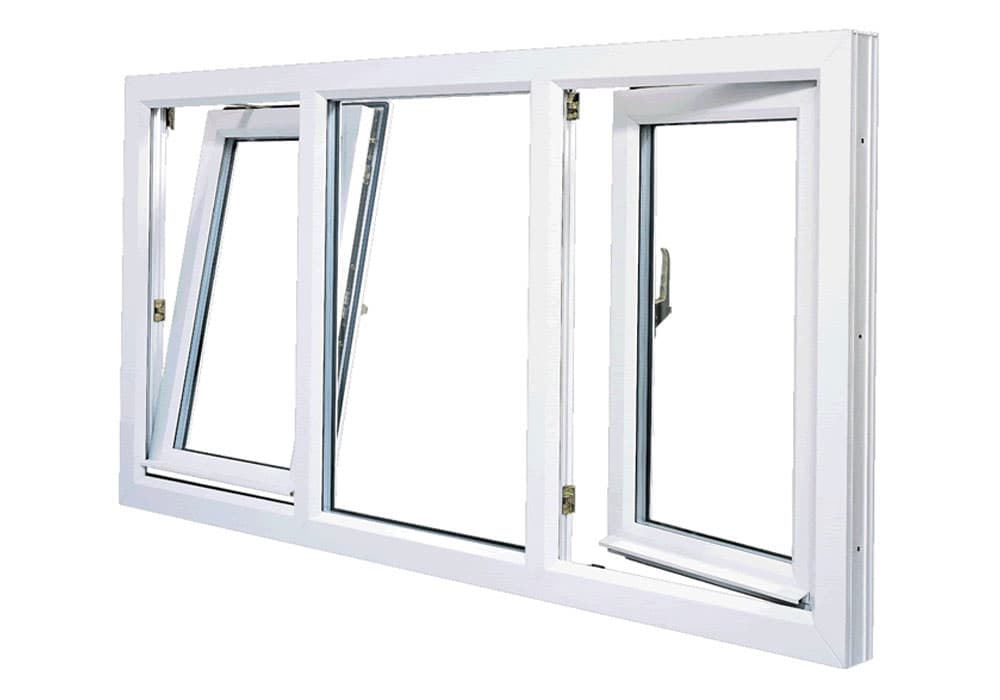
Triple glazing adds a third pane of glass and a second insulating gap. It typically costs 10 to 20% more than the same window with double glazing. Checkatrade's 2026 guide puts an average triple-glazed window at £1,200 against about £1,000 for double, and the Energy Saving Trust puts the premium at around 20%.
Double vs triple glazing cost per window
| Window style | Double glazed | Triple glazed |
|---|---|---|
| Casement | £350–£600 | £400–£690 |
| Sash | £600–£1,200 | £690–£1,380 |
| Tilt & Turn | £500–£800 | £580–£920 |
| Bay (per bay) | £1,200–£2,500 | £1,380–£2,880 |
| Fixed | £350–£500 | £400–£580 |
How much heat each one loses
Heat loss through a window is measured as a U-value, in watts per square metre per degree (W/m²K). The lower the number, the less heat escapes.
| Glazing | U-value (W/m²K) | Measured for |
|---|---|---|
| Single glazing | 5.8 | The glass alone |
| Double glazing, air-filled | 1.6 | A whole uPVC window |
| Double glazing, argon-filled | 1.3 | A whole uPVC window |
| Triple glazing, two low-E coatings | 0.9–1.1 | A whole uPVC window |
The step from single to double glazing is large. The step from double to triple is much smaller. That is the main reason triple glazing takes longer to pay for itself.
What you save on energy bills
The Energy Saving Trust estimates that fitting A-rated double glazing throughout an entirely single-glazed semi-detached home saves £85 a year in Great Britain and £110 a year in Northern Ireland, and cuts carbon dioxide emissions by 290kg and 410kg a year. Its figures were last updated on 19 November 2026.
The Trust does not publish a separate saving for triple glazing. It says the energy, sound and security benefits can make triple glazing worth the extra, especially in a particularly cold or noisy area. If your home already has double glazing, the saving from changing to triple will be far smaller than the figures above.
Noise: the third pane is not the fix
The Glass and Glazing Federation's guidance is clear that a third pane will not necessarily reduce noise. Sound reduction depends on the specification of the glass, and the improvement comes from including a pane of acoustic laminated glass.
| Glass unit | Sound reduction (Rw) |
|---|---|
| Standard double glazing | 31 dB |
| Standard triple glazing | 31 dB |
| Double glazing with one acoustic laminated pane | 37 dB |
| Triple glazing with one acoustic laminated pane | 38 dB |
Standard double and standard triple units score the same. If road or aircraft noise is the reason you are replacing windows, ask for acoustic laminated glass and compare the Rw figure on each quote.
How they compare
| Double glazing | Triple glazing | |
|---|---|---|
| Panes of glass | Two | Three, so 50% more glass |
| Price | The baseline | Typically 10 to 20% more |
| Heat loss (whole uPVC window) | 1.3 to 1.6 W/m²K | 0.9 to 1.1 W/m²K |
| Solar gain (g-value) | 0.71 | 0.61, so slightly less free warmth from the sun |
| Noise, standard glass | 31 dB | 31 dB |
| Weight | Lighter | Heavier, which affects how long hinges and hardware last |
Window Energy Ratings
Most windows are sold with a Window Energy Rating from the British Fenestration Rating Council (BFRC). The scale runs from A++ down to E and covers the whole window, frame and glass together. It takes three things into account: heat loss, solar gain and air leakage. Our guide to energy efficient windows explains each band and the U-values behind it.
Because the rating counts solar gain as a benefit, a good double-glazed window can reach band A. Compare the band and the U-value on each quote instead of counting panes.
When triple glazing is worth it
- Cold, exposed or north-facing rooms where heat loss through the glass is noticeable.
- Very well-insulated homes, where the windows are the weakest remaining part of the walls.
- Large areas of glass, where the surface temperature of the pane affects comfort.
When double glazing is the better buy
- The budget is tight: the saving can pay for a better frame or more windows. The guide to cheapest replacement windows prices other ways to cut the bill.
- The house is older and loses most of its heat through walls, roof and draughts. Insulation there usually does more per pound.
- Noise is the main problem. Double glazing with an acoustic laminated pane scores 37 dB against 31 dB for standard triple glazing.
What to check on a triple glazing quote
- Two low-E coatings. The Glass and Glazing Federation says there is no benefit in triple glazing unless two of the panes are low-emissivity glass.
- The whole-window U-value. A centre-pane figure looks better than the window really performs. Ask for the figure for the whole window.
- Hinges and hardware. Ask whether they are rated for the heavier unit.
- The energy rating band. Check it against the double-glazed option from the same installer.
FAQs
Typically 10 to 20% more. On a standard uPVC casement window that is roughly £50 to £90 extra per window.
It is most worthwhile in cold, exposed or north-facing rooms and in very well-insulated homes. For many homes, good double glazing is the better value.
Not automatically. In the Glass and Glazing Federation's figures, standard double and standard triple glazing both reduce sound by 31 dB. Adding a pane of acoustic laminated glass raises that to 37 dB for double and 38 dB for triple.
The Energy Saving Trust estimates £85 a year in Great Britain and £110 a year in Northern Ireland for fitting A-rated double glazing throughout an entirely single-glazed semi-detached home.
A whole triple-glazed uPVC window with two low-E coatings is typically 0.9 to 1.1 W/m²K, against 1.3 to 1.6 W/m²K for double glazing, according to the Glass and Glazing Federation's guidance.
Sources
The figures and rules in this guide come from these pages, last checked on .
- Glass and Glazing Federation, Triple Glazing Guidance (April 2016)
- Energy Saving Trust, Windows and doors (updated 19 November 2026)
- Pilkington, Thermal insulation FAQs
- British Fenestration Rating Council, Energy performance ratings
- GOV.UK, Approved Document L: conservation of fuel and power
- Checkatrade, Double glazing cost guide (May 2026)
Prices in this guide are estimates based on published UK cost guides, not quotes. An installer confirms the real price at survey.