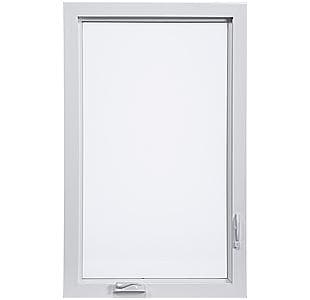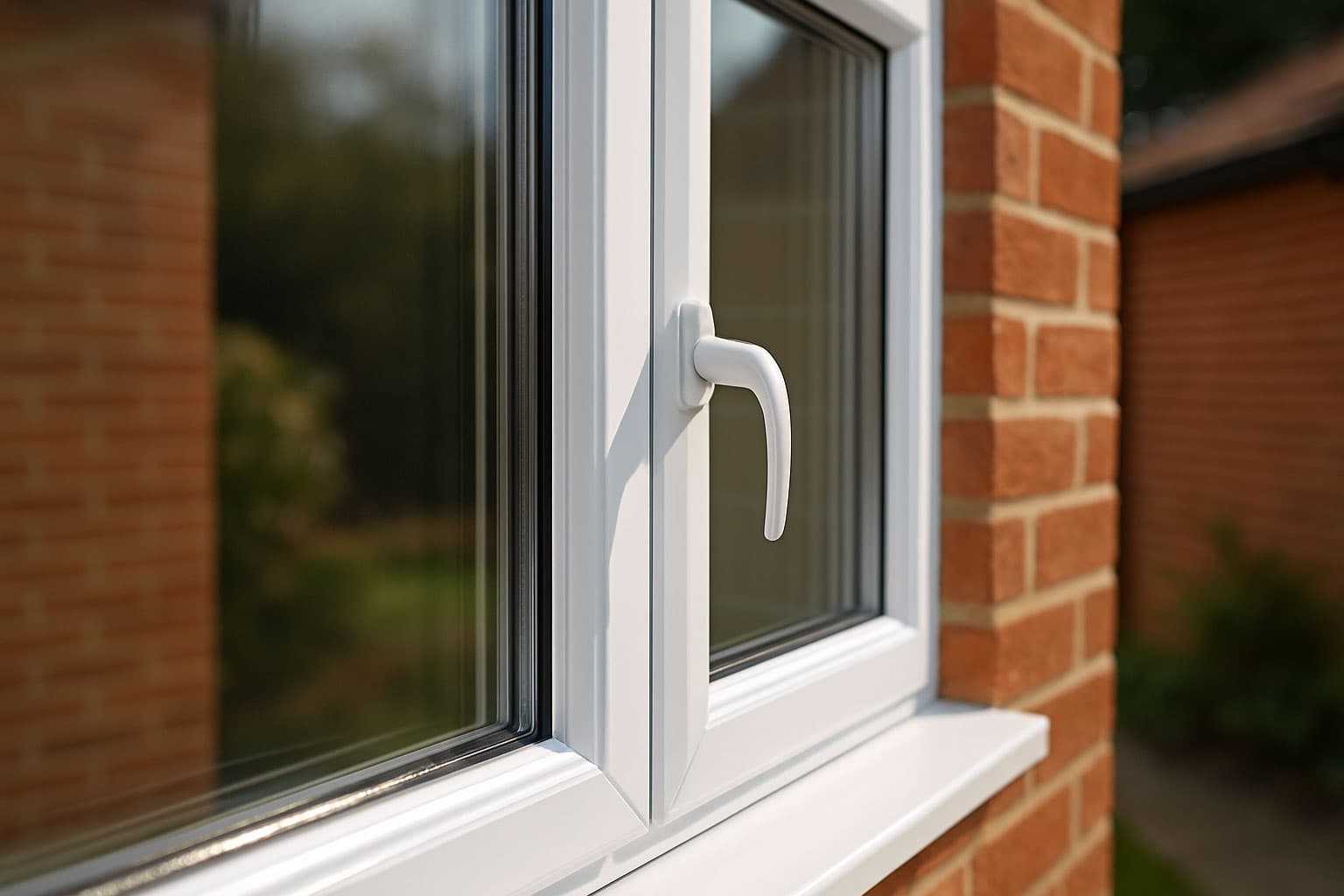
Condensation on windows forms when moist air meets a cold surface such as window glass and the water vapour in it turns to droplets, as Pilkington's glazing FAQs explain. Where the droplets sit tells you the cause: on the room side of the glass, between the two panes of a sealed unit, or on the outside face.
Mist between the panes is the only kind that means the window has failed, and even then the frame usually stays while the glass unit is changed. Room-side and outside condensation are no reason on their own to pay the full window replacement cost.
Inside, outside or between the panes?
The side of the glass the water sits on decides what it means and what the fix costs. Wipe both faces: mist that will not wipe off from either side is inside the sealed unit, on Checkatrade's test.
| Where the water is | What it means | The fix |
|---|---|---|
| Room side of the glass | The room needs better ventilation | Ventilation; the window is sound |
| Between the panes | The seal on the sealed glass unit has failed | A new sealed unit, £55–£145 per pane |
| Outside of the glass | The glass is keeping heat inside | None; it clears as the glass warms |
On the inside of the glass
Condensation on the room side of the glass comes from moisture in the home, and MyJobQuote says it points to ventilation, humidity or heating rather than a failed unit. Cooking, washing up and showers all add water vapour. FENSA names three things that decide how much of it condenses: the moisture in the air, the room temperature and the outdoor temperature. GOV.UK's damp and mould guidance calls condensation the most common form of damp, collecting on cold surfaces such as window frames and room corners.
Between the panes
Condensation between double glazing panes means the seal around the sealed glass unit has failed, and the fix is a new unit at £55 to £145 per pane, according to Checkatrade (June 2026). The moisture cannot be cleared, but the frame usually stays. Which? says this should not happen with new double glazing, so check the guarantee first. It prices a drill-and-dry service at about £45 plus VAT but calls it a short-term fix, as the plug often works loose within six months. Prices by unit size and glass type are in the guide to window glass replacement cost.
On the outside of the glass
Condensation on the outside of the glass is normal and needs no repair. Checkatrade calls it a sign that the windows are well insulated, and MyJobQuote says it clears once the sun warms the outer pane. Pilkington explains why: energy-efficient low-E glass keeps more heat in the room, so the outer pane stays colder and can collect moisture from the outside air.
How to stop condensation on the inside of windows
Ventilation stops room-side condensation: FENSA calls controlled ventilation the most effective remedy. GOV.UK's damp and mould guidance and Which? list these steps:
- Open the trickle vents in your window frames and keep them clear. Approved Document F says they are designed to stay open in normal use.
- Run the extractor fans in the kitchen and bathroom when you cook or shower.
- Close internal doors and cover pans while cooking.
- Dry washing outdoors where you can.
- Open the windows for a short burst in winter, then close them to keep the heat in.
- Leave a gap between furniture and outside walls.
Which? suggests a dehumidifier where vents are not an option. It also says trickle vents can often be added to existing double-glazed windows, so windows without vents often do not need replacing to get them.
Do new windows stop condensation?
New windows reduce room-side condensation but do not stop it on their own. FENSA explains that double glazing keeps the inner pane warmer than single glazing, so less water condenses on it, but it says the root cause often lies in poor air circulation. Which? warns that new double glazing can add to it by sealing moisture in. Pilkington says low-E glass in double and triple glazed units warms the inner pane, cutting the risk indoors, and cools the outer pane, which can cause condensation outside. The guide to double vs triple glazing compares the cost of each.
When condensation is a problem
Condensation needs action when it sits between the panes, when it soaks the frames day after day, or when mould appears.
- Mist between the panes. The unit has failed and will not clear. Checkatrade says a blown unit has lost its insulating gas, so the room loses heat faster.
- Wet frames every morning. GOV.UK's guidance says condensation can lead to damp and mould growth over time.
- Mould around the frame. This is a ventilation matter. GOV.UK says cleaning off surface mould does not stop it returning unless the cause is dealt with.
What each fix costs
A new sealed unit at £55 to £145 per pane is the usual window fix for condensation, and a whole new uPVC casement window costs £350–£600 in 2026. Room-side fixes such as extractor fans and dehumidifiers are not window work, so they are not priced here.
| Fix | Typical cost | Source |
|---|---|---|
| New sealed unit, small to large pane | £55–£145 per pane | Checkatrade, MyJobQuote |
| New sealed unit, standard-size window | £200–£325 | Checkatrade |
| Drill-and-dry resealing | £50–£100 per window, short-term | MyJobQuote |
| Every misted unit in a three-bed semi | £1,400–£2,500 | MyJobQuote |
| Upgraded trickle vents on new windows | £10–£40 per window | MyJobQuote |
| New uPVC casement window | £350–£600 | This site's price model |
A new sealed unit is the lower-cost fix while the frame is sound. MyJobQuote puts every misted unit in a three-bed semi at £1,400 to £2,500, against £3,500–£6,000 for the 10 new uPVC casement windows of a semi-detached house on this site's model. The guide to double glazing repair cost sets each repair against the price of a new window.
FAQs
Condensation forms when moist air meets cold glass and the water vapour turns to droplets. On the room side it comes from moisture in the home, between the panes it means the sealed unit has failed, and on the outside it shows the glass is keeping heat in.
Condensation between the panes of double glazing means the seal on the sealed unit has failed. The moisture cannot be cleared, so the fix is a new sealed unit at £55 to £145 per pane, usually fitted in the existing frame.
Yes. Checkatrade calls it a sign that the windows are well insulated, and MyJobQuote says it clears once the sun warms the glass.
Yes, it can still form. Pilkington says low-E glass in double and triple glazed units warms the inner pane, which makes room-side condensation less likely, and cools the outer pane, which can cause condensation outside.
They reduce room-side condensation by letting moist air out, and Which? lists vents in window frames among the ways to cut it. They do nothing for mist between the panes, which needs a new sealed unit.
Replacing the misted sealed unit costs £55 to £145 per pane, according to Checkatrade and MyJobQuote. Checkatrade puts the unit for a whole standard-size window at £200 to £325.
Sources
The figures and rules in this guide come from these pages, last checked on .
- Pilkington, Thermal insulation FAQs
- Checkatrade, Blown window repair cost (June 2026)
- MyJobQuote, Double glazing condensation repair cost (September 2026)
- MyJobQuote, New window costs (October 2026)
- Which?, Double glazing repairs and maintenance (September 2026)
- FENSA, Condensation advice
- GOV.UK, Understanding and addressing the health risks of damp and mould in the home (updated April 2026)
- GOV.UK, Approved Document F, volume 1: ventilation
Prices in this guide are estimates based on published UK cost guides, not quotes. An installer confirms the real price at survey.