The main types of window in UK homes are casement, sash, tilt and turn, bay and bow. They differ in how they open, and the opening changes the price: in uPVC a casement costs £350–£600 fitted, a tilt and turn £500–£800 and a sash £600–£1,200.
For a whole house, the window replacement cost calculator on our homepage turns a count of windows into a total.
The main types of window in UK homes
The five main types of window are casement, sash, tilt and turn, bay and bow, and the flush casement, top hung, fixed and Georgian windows are common variations. The table shows how each one opens and where it suits.
| Type | How it opens | Where it suits |
|---|---|---|
| Casement | Hinged at the side, top or bottom; swings outwards | Most types of house |
| Flush casement | Like a casement, but closes level with the frame | Period homes, conservation areas, listed buildings |
| Top hung | Hinged at the top; opens outwards from the bottom | Wet weather, as it keeps rain out |
| Tilt and turn | Tilts in at the top or swings in from the side | Upper floors, flats, homes built since the 1960s |
| Sliding sash | Two panels slide up and down | Period homes |
| Fixed | Does not open | Feature and picture windows |
| Bay | Projects from the wall, with brickwork below | Front living rooms in Victorian and Edwardian houses |
| Bow | A curve of four or five panels, with no wall below | Rooms that need more light |
| Georgian | A pattern of glazing bars on a sash or casement | Georgian and period-style homes |
Which windows open on hinges?
Four types open on hinges: the casement, the flush casement, the top hung window and the tilt and turn.
Casement windows
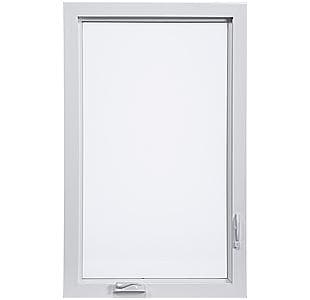
A casement window is hinged at the side or top and opens outwards. It is the most frequently installed type of window, according to the Federation of Master Builders (FMB), and Everest says it suits most types of property. A standard uPVC casement costs £350–£600 supplied and fitted; prices by material and size are in our guide to casement windows cost.
Flush casement windows
A flush casement window closes level with its frame, where a standard casement, also called stormproof, sits slightly proud of it. The FMB says flush casements are popular for period homes, conservation areas and listed buildings, and that stormproof frames are far more common in uPVC. Our price model covers standard casements only, so flush casements are not priced here.
Top hung windows
A top hung window is a casement hinged along its top edge, so it opens outwards from the bottom. Everest says the design suits wet weather because it keeps rain out of the room. In the calculator, choose casement for a top hung window.
Tilt and turn windows
A tilt and turn window tilts inwards at the top or swings open like a door. It opens into the room, so the outside glass can be cleaned from inside, and Everest says that suits upper floors, flats and houses built from the 1960s on. Its thick frame can look out of place on a period home. In uPVC it costs £500–£800; see tilt and turn windows cost.
Windows that slide: sash windows
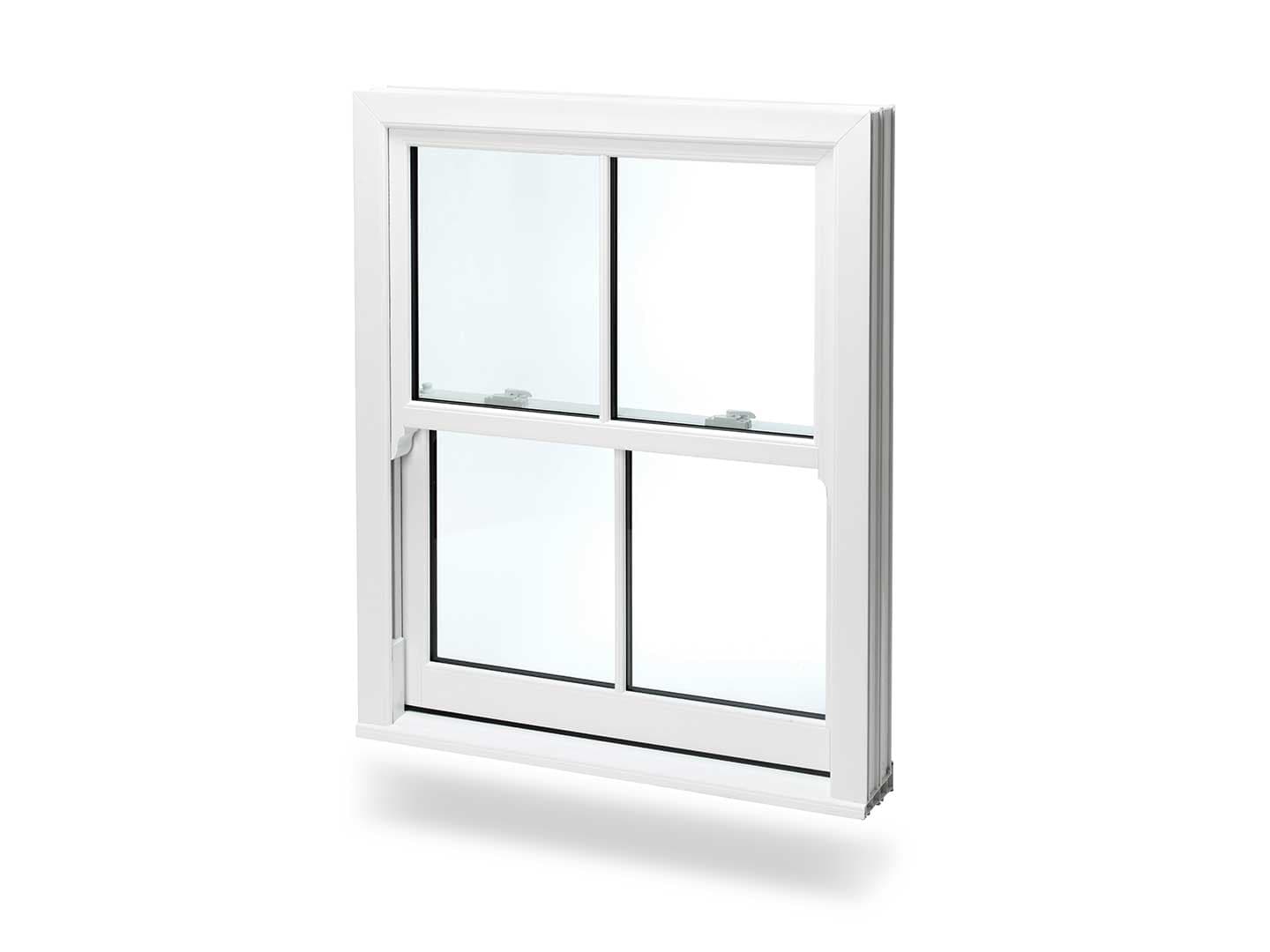
A sash window has two glazed panels, the sashes, that slide up and down inside the frame. Nothing swings in or out, so Which? says sashes are useful where space is tight. Everest says they are usually fitted in period properties.
A uPVC sash costs £600–£1,200 and a timber one £1,000–£3,000, supplied and fitted. Compare the materials in our guide to sash window replacement cost, or see uPVC sash windows and timber sash windows. A mock sash is a casement styled to look like a sliding sash, and Liniar says it costs less to buy and fit.
What is a fixed window?
A fixed window does not open, and Everest's casement guide notes that a fixed pane often sits between two openers. It is the lowest-priced type in our price model, at £350–£500 in uPVC, supplied and fitted. A room with only fixed glazing needs its fresh air from another window or a vent.
Windows that project: bay and bow
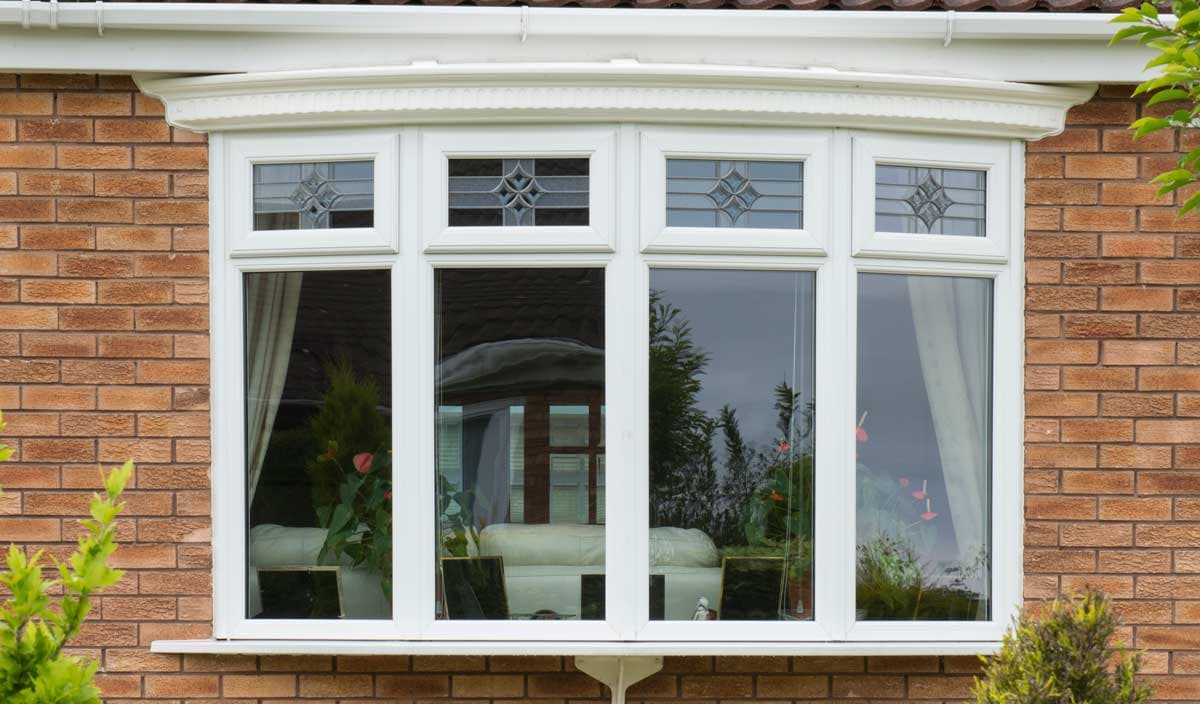
A bay window projects from the outside wall with its brickwork built out to the ground, Everest explains, and its splayed and square bays have three windows. A bow projects with no wall underneath, and MyJobQuote describes it as a curve of usually four or five panels.
A three-section uPVC bay costs £1,200–£2,500 fitted. Checkatrade puts a three-section uPVC bow at about £1,250 and MyJobQuote at £1,250 to £1,500. Both styles are priced in our guide to bay window replacement cost.
What are Georgian and cottage windows?
A Georgian window is a pattern, not a way of opening: glazing bars divide each sash or casement into small panes, often six over six or eight over eight, according to the FMB. Modern versions fix the bars to both faces of one large pane, so they look authentic from a distance only. Anglian describes cottage windows the same way, with bars on both faces of a double glazed unit, on casement, flush or sash windows.
The FMB prices a double glazed timber Georgian casement at £1,630 to £2,015, against £1,630 to £1,975 for a plain timber casement in its casement guide. Its timber Georgian sash costs £2,450 to £2,775.
Which type of window suits which house?
Casement windows suit most modern UK homes, while period houses, flats and front living rooms often suit another type. Everest's advice is to choose the style the house was built with.
| Your home | Usual choice | Why |
|---|---|---|
| Modern house | Casement | Suits most types of property |
| Victorian or Georgian house | Sash | Usually fitted in period properties |
| Flat or upper floor | Tilt and turn | Opens inwards, so the glass is cleaned from inside |
| Front living room | Bay | A focal point of many Victorian and Edwardian houses |
| Room that needs light, not air | Fixed | The lowest-priced type, at £350–£500 in uPVC |
A listed building or a conservation area can limit the choice to a copy of the old window. Everest notes that many such homes must replace sash windows like for like. Consent and costs are covered in our guide to listed building window replacement.
What does each type of window cost?
A fixed uPVC window is the lowest-priced type at £350–£500 and a three-section uPVC bay the highest at £1,200–£2,500, supplied and fitted. Timber costs the most in every type. Prices by size and glazing are in our cost guides for every window type.
| Type | uPVC | Aluminium | Timber |
|---|---|---|---|
| Casement | £350–£600 | £600–£850 | £750–£1,500 |
| Sash | £600–£1,200 | £1,100–£1,400 | £1,000–£3,000 |
| Tilt & Turn | £500–£800 | £750–£1,000 | £900–£1,200 |
| Bay, three sections | £1,200–£2,500 | £2,000–£3,000 | £2,500–£3,500 |
| Fixed | £350–£500 | £600–£700 | £750–£1,250 |
Most houses mix types, such as casements at the back and a bay at the front. The calculator prices one type at a time, so price each window style separately and add the totals.
Which frame materials does each type come in?
Our price model prices each of its five types in uPVC, aluminium and timber. The material changes the look, the upkeep and the price:
- uPVC. The most common frame for double glazing, according to Which?, and the lowest-priced. See uPVC window prices.
- Aluminium. Slimmer frames with more glass, which Everest says suit modern houses. See aluminium windows cost, or compare the two in uPVC vs aluminium windows.
- Timber. The premium choice for period homes, and Everest says some listed buildings and conservation areas allow only timber. See timber windows cost.
FAQs
The main types of window in UK homes are casement, sash, tilt and turn, bay and bow. A casement swings outwards on hinges, a sash slides up and down, a tilt and turn opens inwards, and bays and bows project from the wall.
The casement is the most common type of window in the UK: the Federation of Master Builders calls it the most frequently installed type. Which? names uPVC as the most common frame for double glazed windows.
A fixed window has the lowest price, at £350–£500 in uPVC supplied and fitted, but it does not open. Among windows that open, Everest names a white uPVC side hung casement as the lowest-priced, at £350–£600 on our figures.
A casement swings open on hinges and a sash slides up and down inside its frame. A uPVC casement costs £350–£600 and a uPVC sash £600–£1,200, supplied and fitted.
A bay usually has three windows with brickwork built out below it, while a bow is a curve of four or five panels with no wall underneath, according to Everest and MyJobQuote. Published uPVC prices for the two are close.
A tilt and turn window suits a flat best, because it opens inwards and the outside glass can be cleaned from the room. Everest recommends it for flats and upper floors. In uPVC it costs £500–£800 supplied and fitted.
Sources
The figures and rules in this guide come from these pages, last checked on .
- Everest, The 8 different types of windows (and frames) explained
- Everest, What is a casement window?
- Federation of Master Builders, A guide to casement windows (January 2026)
- Federation of Master Builders, Georgian windows guide (January 2026)
- Which?, Types of double glazing (September 2026)
- Anglian Home Improvements, Cottage windows
- Liniar, Mock sash horn windows
- MyJobQuote, Cost of changing a bay window (September 2026)
- Checkatrade, Bay window cost guide (July 2026)
Prices in this guide are estimates based on published UK cost guides, not quotes. An installer confirms the real price at survey.