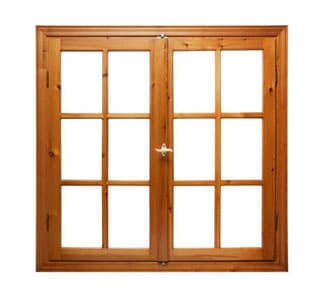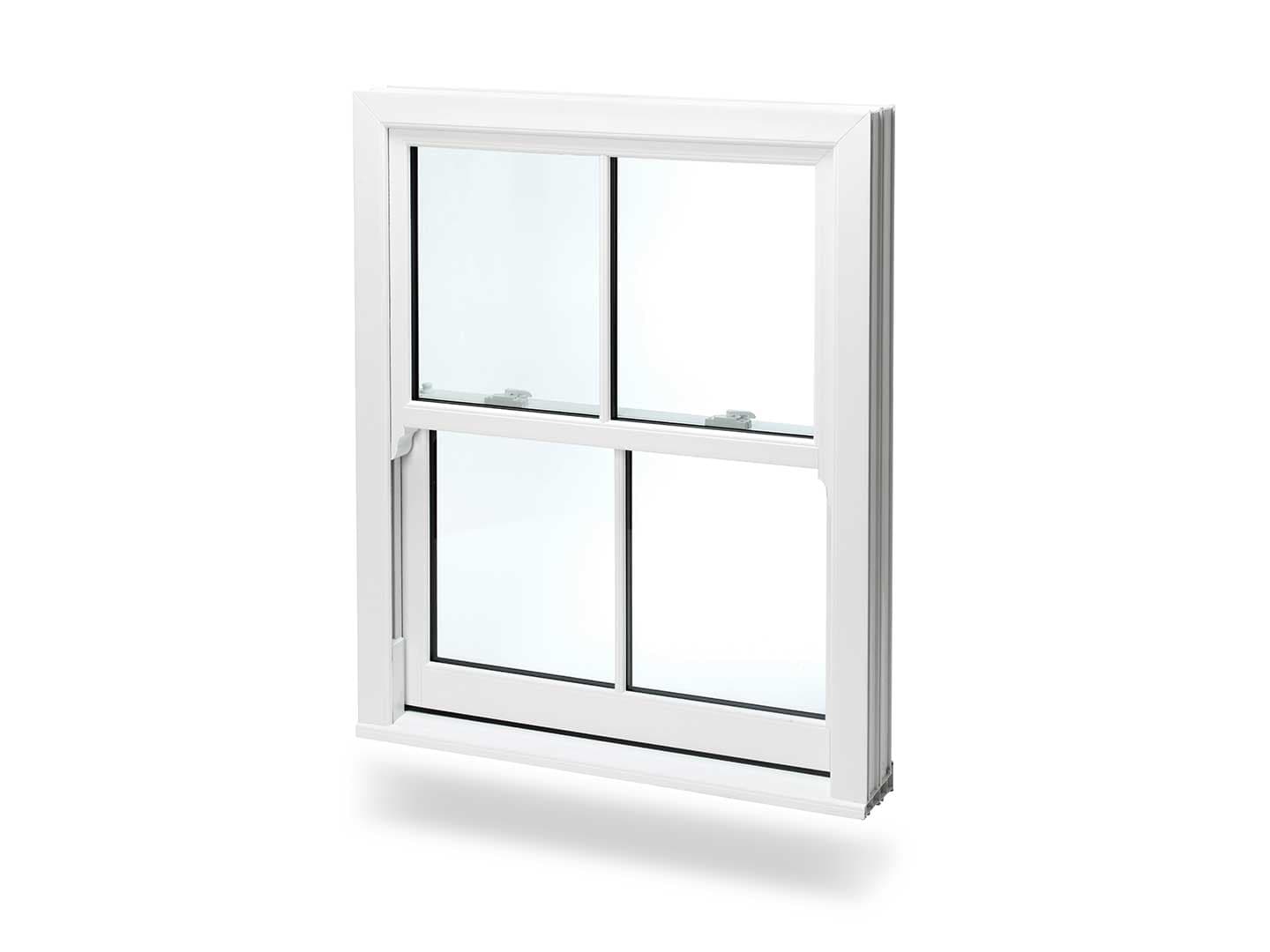
Replacing a window in a listed building needs listed building consent from your council before the work starts. The replacement is usually a made-to-measure timber copy of the old window, which costs £1,000–£3,000 for a sash and £750–£1,500 for a casement in 2026, supplied and fitted. Checkatrade puts a timber sash for a listed home at £1,500 to £3,000 or more.
Those prices sit well above the usual window replacement cost for an unlisted home, where a white uPVC casement costs £350–£600. Checkatrade puts the difference down to bespoke joinery and planning applications.
Do you need listed building consent to replace windows?
Yes: replacing a window in a listed building always requires listed building consent, according to Historic England. Section 7 of the Planning (Listed Buildings and Conservation Areas) Act 1990 bars any alteration that affects a listed building's character unless it is authorised. The rule covers all three grades of listing, Grade I, Grade II* and Grade II, and Grade II is the most common, according to the Planning Portal.
Repairs and small upgrades are treated differently. Historic England's guidance sorts common window work like this:
| Work | Consent needed? | What Historic England says |
|---|---|---|
| Replacing a window | Yes | Replacement always needs consent |
| Double glazing in old frames | Usually | It can affect the building's special interest |
| Repair with matching timber | No | Piecing in timber of the same size and species, such as a new cill section |
| New sash cords | No | Cords of the same material |
| Broken glass | Usually no | Modern float glass is fine; keep any early glass |
| Self-adhesive draught strips | No | Draught-proofing cut into the frame may need consent |
| Secondary glazing | Usually no | Needed only where fitting damages the frame, shutters or panelling |
How do you apply for listed building consent?
You apply to your local planning authority, and there is no fee for listed building consent, according to both the Planning Portal and Historic England. Based on the Planning Portal's guidance, an application takes four steps:
- Ask the council's conservation officer whether consent is needed and what it is likely to accept. Historic England says this step saves time and money.
- Describe the existing and proposed windows, including their materials and finishes, with drawings.
- Add a site plan, a location plan, a design and access statement and a heritage assessment.
- Submit the application. The council should decide within 8 weeks of validating it, including a 21-day consultation.
Consent can come with conditions, such as keeping particular features. Where new windows change the outside of the building in a way that affects its character, the Planning Portal says planning permission is needed as well. A householder planning application in England costs £548 from 1 April 2026.
What happens if you replace listed windows without consent?
Replacing listed windows without consent is a criminal offence under section 9 of the 1990 Act. The penalty is up to six months in prison, a fine or both on summary conviction, and up to two years, a fine or both on indictment. The court also weighs any financial benefit gained from the offence.
Historic England adds that the council can insist the work is reversed, and that a property with unconsented work is hard to sell. Consent can be granted after the event, but the Planning Portal says that does not protect you from prosecution for work done before it.
How much does listed building window replacement cost?
Listed building window replacement costs £1,000–£3,000 per timber sash window and £750–£1,500 per timber casement in 2026, supplied and fitted, on our price model. Published guides that price listed or period work start higher:
| Window | Cost per window, fitted | Source |
|---|---|---|
| Timber casement | £750–£1,500 | Our price model |
| Timber sash | £1,000–£3,000 | Our price model |
| Timber sash, listed or conservation home | £1,500–£3,000+ | Checkatrade, June 2026 |
| Georgian timber casement | £1,630–£2,015 | FMB, 2026 |
| Georgian timber sash | £2,450–£2,775 | FMB, 2026 |
Size moves the price: a small timber sash costs £750–£2,250 and a large one £1,200–£3,600. For a terraced house with 8 windows, timber sashes throughout cost £8,000–£24,000, against £2,800–£4,800 for uPVC casements in an unlisted house.
Two costs sit outside the window price. Scaffolding for upper floors adds £200 to £500, on MyBuilder's sash guide. Drawings and a heritage assessment cost extra, and no guide we read prices them; ask for a separate line on each quote.
Should you repair or replace listed windows?
Repair listed windows wherever they can be saved. Historic England encourages owners to conserve significant historic windows and calls complete replacement a last resort. It says repairs usually cost less, keep the building's character and do not usually need consent. Each option costs less than a new timber copy:
| Option | Cost per window | Consent needed? |
|---|---|---|
| Draught-proofing | £200–£400 | No, for self-adhesive strips |
| Secondary glazing | £180–£400 | Usually no |
| Full refurbishment | £620–£920 | No, for like-for-like repair |
| Double glazing in old sash frames | £650–£1,300 | Usually yes |
| New timber sash copy | £1,000–£3,000 | Yes |
Historic England prefers secondary glazing to double glazing and says it can cut heat loss by over 60%. It puts the service life of slim-profile double glazed units at around 25 years, against 60 to 100 years or more for secondary glazing made of good timber and kept maintained. Refurbishing an old sash is set against a new one in our guide to sash window replacement cost.
What do the rules allow you to fit?
The rules allow an accurate copy of the old window. Historic England's guidance says a historic window beyond repair should be replaced with an accurate copy, and that a later window of non-historic design can give way to one of a sympathetic historic pattern. To name the window you have, see our guide to types of windows.
Can you fit uPVC windows in a listed building?
Rarely: Historic England calls PVCu windows unsuitable for older buildings, particularly listed ones. Their frames are much thicker, their glazing bars are often plastic strips inside the glass, and their service life is under 25 years. Checkatrade says timber is the only material permitted in most listed buildings. Softwood and hardwood prices are in our guide to timber windows cost.
Can you fit double glazing in a listed building?
Sometimes, with consent: Historic England says slim-profile double glazing may suit windows with no historic glass. A thicker unit can need a new frame, which harms the building's significance. Replacement windows still have to meet Approved Document L, and Historic England says slim-profile double glazing or secondary glazing satisfies it. New double glazed sashes are priced in our guide to timber sash windows.
What about windows in a conservation area?
An unlisted house in a conservation area needs planning permission, not listed building consent, where an Article 4 Direction covers its windows. The Planning Portal says an Article 4 Direction removes the permitted development rights that normally let you replace windows without permission. Historic England says consent is then likely to be needed for any change to the windows. The Energy Saving Trust adds that replacements in a conservation area have to complement the character of the building and the area.
FAQs
A made-to-measure timber sash window costs £1,000–£3,000 and a timber casement £750–£1,500 in 2026, supplied and fitted. Checkatrade puts a timber sash for a listed or conservation home at £1,500 to £3,000 or more. Listed building consent itself has no fee.
You need listed building consent, and sometimes planning permission as well. The Planning Portal says external changes that affect the building's character need a householder or full planning application alongside consent.
Rarely: Historic England calls PVCu windows unsuitable for listed buildings, and Checkatrade says timber is the only material permitted in most. The council decides each application.
Sometimes, with listed building consent: Historic England says slim-profile double glazing may suit windows with no historic glass. It prefers secondary glazing, which usually needs no consent and costs £180 to £400 per window on MyJobQuote's figures.
The council should decide within 8 weeks of validating the application, according to the Planning Portal. That includes a 21-day consultation in which neighbours and others can comment.
No: the Planning Portal and Historic England both say there is no fee for listed building consent. A householder planning application, where one is also needed, costs £548 in England from 1 April 2026.
Sources
The figures and rules in this guide come from these pages, last checked on .
- Historic England, Windows in historic homes
- Historic England, Modifying historic windows as part of retrofitting energy saving measures (updated July 2024)
- Historic England, Listed Building Consent
- Planning Portal, Listed building consent
- Planning Portal, A guide to fees for planning applications in England (from 1 April 2026)
- Planning Portal, Doors and windows: planning permission
- legislation.gov.uk, Planning (Listed Buildings and Conservation Areas) Act 1990, section 7
- legislation.gov.uk, Planning (Listed Buildings and Conservation Areas) Act 1990, section 9
- Checkatrade, Cost of replacing sash windows (June 2026)
- Checkatrade, Sash window restoration cost (July 2026)
- Federation of Master Builders, Georgian windows guide (January 2026)
- MyJobQuote, Secondary glazing cost (November 2026)
- MyBuilder, Sash window replacement cost (August 2026)
- Energy Saving Trust, Windows and doors (updated 19 November 2026)
Prices in this guide are estimates based on published UK cost guides, not quotes. An installer confirms the real price at survey.