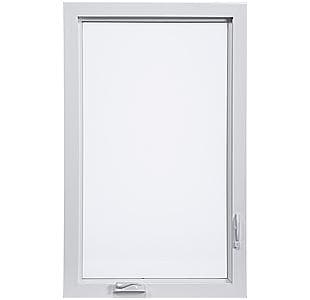
A FENSA certificate is proof that replacement windows or doors were installed by a FENSA-registered company and comply with Building Regulations. FENSA is a competent person scheme: its registered installers certify their own work, so you do not have to apply to building control yourself.
Why the certificate matters
Since 1 April 2002, all replacement windows in England and Wales have been subject to Building Regulations, which set standards for heat loss, ventilation, safety glazing and fire escape. When you sell, the buyer's solicitor will ask for evidence that any replacement glazing fitted since then complies. A FENSA certificate is the usual evidence.
What a FENSA certificate covers
FENSA covers the replacement of external windows, doors, roof windows and roof lights in an existing home, by a company that was FENSA-registered at the time. According to FENSA, it does not cover:
- New-build homes and new extensions.
- New conservatories and porches.
- Commercial properties.
- Repairs where the frame is not replaced. FENSA states that it is not required for replacement glass only, which is priced in window glass replacement cost.
Work outside the scheme, such as an extension, is signed off through building control as part of that project.
What the certificate confirms the windows meet
These are the main Building Regulations standards for replacement windows in England. They are what the installer is certifying. The ventilation standard is covered in our guide to trickle vents.
| Area | What is required |
|---|---|
| Heat loss (Part L) | A U-value of 1.4 W/m²K or better, or a Window Energy Rating of band B or better. In force since 15 June 2022. |
| Ventilation (Part F) | If the old windows had trickle vents, the new ones should have them. If they did not, ventilation must be no worse than before the work. Approved Document F gives fitting vents as one way to show this: at least 8,000mm² equivalent area in habitable rooms and kitchens, and 4,000mm² in bathrooms. |
| Safety glazing (Part K) | Safety glass in any glazing up to 800mm from the floor, in doors up to 1,500mm, and in side panels within 300mm of a door up to 1,500mm. |
| Fire escape (Part B) | An escape window needs an openable area of at least 0.33m², at least 450mm high and 450mm wide, with the bottom of the opening no more than 1,100mm above the floor. |
How you get one
- Choose an installer registered with FENSA or another competent person scheme.
- After the work, the installer registers the installation with the scheme.
- The scheme notifies the local authority and you receive the certificate. Keep it with the deeds of the house.
The Building Regulations give the installer no more than 30 days after the work is completed to notify building control and give you the certificate. GOV.UK tells homeowners to expect the certificate within 8 weeks of completion. If it has not arrived by then, chase the installer first and the scheme second.
The insurance-backed guarantee
A FENSA installation comes with an insurance-backed guarantee of up to 10 years, which covers the installation if the installer stops trading. FENSA says these have been mandatory since 2014, so an installation completed in 2013 or earlier may not have one. Ask for the policy document as well as the certificate: they are two separate pieces of paper.
How to check an installer or a certificate
- Check an installer. FENSA's Find an Installer tool searches by postcode, company name or FENSA registration number.
- Check a property. FENSA's certificate service searches by address. This is how you find out whether windows fitted by a previous owner were certified.
- Check any scheme. The Competent Persons Register, linked from GOV.UK, covers installers registered with every authorised scheme.
Other schemes that are equally valid
FENSA is the best known scheme. GOV.UK lists these competent person schemes for replacement windows, doors, roof windows and roof lights in existing homes: FENSA, CERTASS, Certsure, NAPIT, ASSURE and Blue Flame Certification. A certificate from any of them does the same job as a FENSA certificate. The guide to CERTASS certificate compares the two schemes.
Lost your FENSA certificate?
FENSA keeps a record of every certificate it has issued. You can search for the property and order a copy from FENSA for £30, including VAT. The certificate belongs to the property, so a copy can be ordered for windows fitted by a previous owner.
No certificate at all?
If the windows were replaced after April 2002 and no certificate exists, you have three routes:
- Check other schemes. The installer may have been registered with CERTASS or another scheme instead, which issues its own certificate.
- Apply for regularisation. This is retrospective approval from local authority building control, which inspects the work and issues a certificate if it complies. GOV.UK states it is available only from a local authority and only for work carried out after 11 November 1985.
- Indemnity insurance. When selling, a one-off policy is often used to cover the missing paperwork. It protects against enforcement costs; it does not show the windows comply.
| Council | Work covered | Regularisation fee |
|---|---|---|
| Oxford City Council | Up to 7 windows and 2 doors | £500 |
| Westmorland and Furness Council | 2 to 10 windows or doors | £247.50 |
| Westmorland and Furness Council | 11 or more windows or doors | £367.50 |
Scotland and Northern Ireland
FENSA describes its remit as window and door replacements across England and Wales. The other nations have their own rules:
- Scotland. Replacement windows do not need a building warrant, but a complete replacement has to meet the full requirements of the Scottish building standards.
- Northern Ireland. No Building Control application is needed to install replacement windows, but the work must meet the relevant requirements of the Building Regulations.
FAQs
Complying with Building Regulations is the legal requirement. A FENSA certificate is one way of proving it. A certificate from another competent person scheme, such as CERTASS, or from local authority building control is equally valid.
A copy of a FENSA certificate costs £30, including VAT, ordered from FENSA.
The Building Regulations give the installer no more than 30 days after completing the work to issue the certificate. GOV.UK tells homeowners to expect it within 8 weeks of completion.
The buyer's solicitor will ask for evidence that windows replaced since April 2002 comply with Building Regulations. If there is no certificate, the usual options are a regularisation certificate from building control or an indemnity insurance policy.
No. FENSA states that it is not required for replacement glass only, and that repairs where the frame is not replaced are outside the scheme.
FENSA describes its remit as England and Wales. In Scotland, replacement windows do not need a building warrant but must meet the Scottish building standards.
Sources
The figures and rules in this guide come from these pages, last checked on .
- FENSA, Information for homeowners
- FENSA, Order a replacement certificate
- GOV.UK, Use a competent person scheme
- GOV.UK, Competent person schemes: current schemes
- GOV.UK, Building regulations approval: how to apply
- legislation.gov.uk, The Building Regulations 2010, regulation 20
- GOV.UK, Approved Document L: conservation of fuel and power
- GOV.UK, Approved Document F, volume 1: ventilation
- GOV.UK, Approved Document B, volume 1: fire safety
- Planning Portal, Doors and windows: Building Regulations
- Oxford City Council, Building control fees
- Westmorland and Furness Council, Building control fees
- Scottish Government, Building standards technical handbook: work not requiring a warrant
- Building Control Northern Ireland, Frequently asked questions
Prices in this guide are estimates based on published UK cost guides, not quotes. An installer confirms the real price at survey.